writing / why-pms-love / why-product-managers-should-love-mcdonalds
Why Product Managers (Should) Love McDonald’s
- Published
- 2 Nov 2026
- Series
- Why PMs Love
- Read
- 4 min
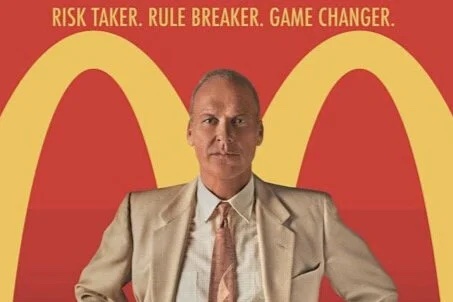
The Founder is usually read as the story of how Ray Kroc duped the McDonald brothers out of their business. I read it as a love letter to product management. Here is what every modern PM can learn from a 1950s burger joint, written by someone who doesn't actually eat there.
1. Audit the friction
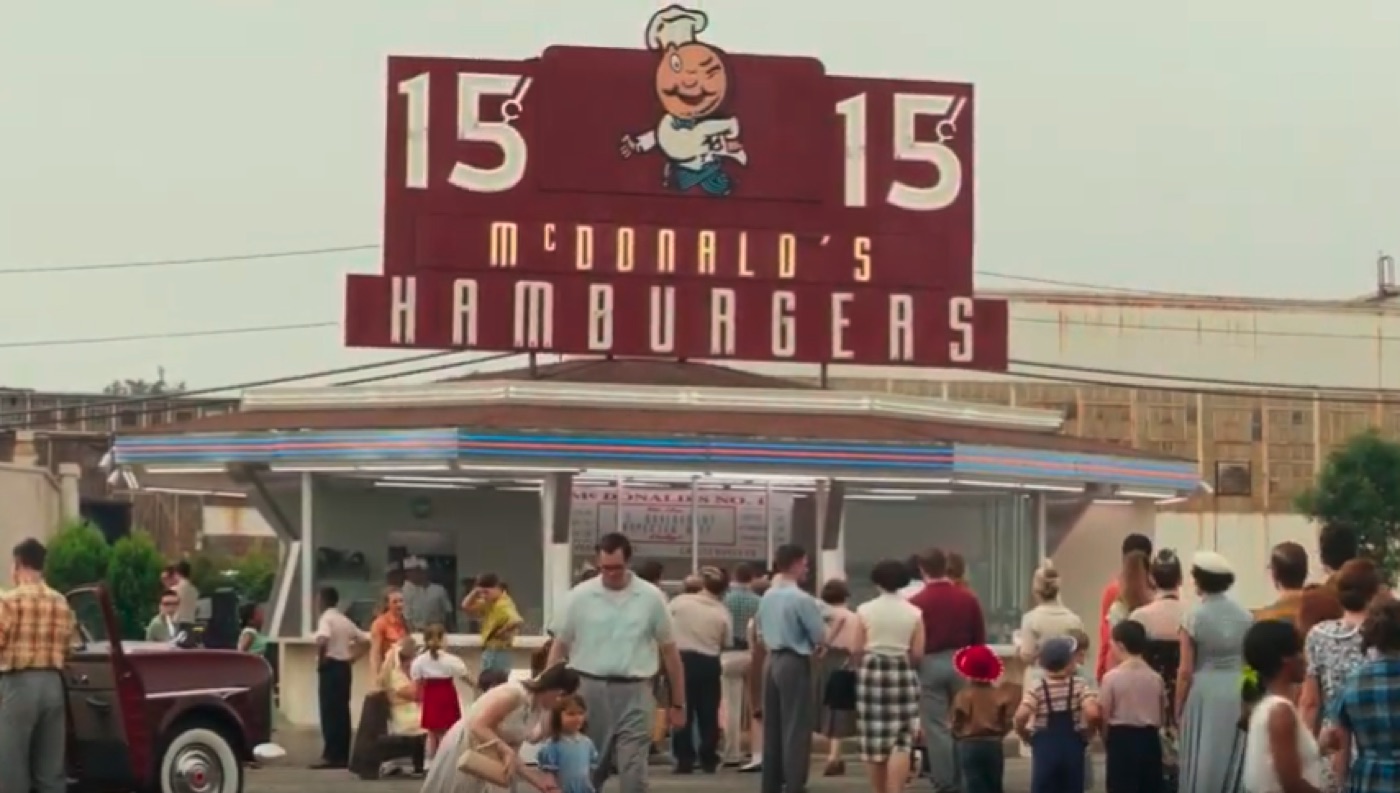
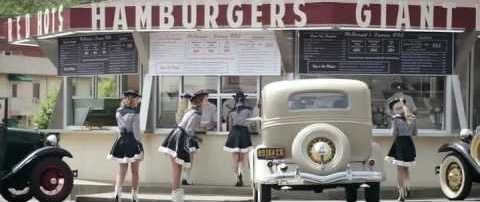
In the 1940s, McDonald's was a drive-in like every other. Large made-to-order menu, labour-intensive service staff running car to counter, slow turnarounds, costly broken crockery. Mac and Dick had spent years inside the problem.
Then Dick pulled the sales data. 87% of revenue came from three items out of twenty-seven: burgers, fries, soft drinks. Everything else was friction - for the customer, and for the business operation.
The lesson: The product is not what you sell. It's what the customer actually buys. Pull the data on your menu before you argue about the menu.
2. Zag when everyone else is zigging
The response was violent. Mac and Dick killed the drive-in model their own competitors were still perfecting:
- Self-service, counter ordering
- A tiny menu of standardised products
- Disposable paper packaging (hold the environmental judgement, this was 1948)
The positioning was a single promise: 30 seconds, not 30 minutes. They called it the Speedee System.
The lesson: Differentiation isn't adding features. It's deleting them until you have one promise you can keep every time.
3. Prototype in chalk before you build in concrete
To make the Speedee System work, Dick needed a kitchen that could execute burgers in seconds, not minutes. So he took his entire kitchen staff to a tennis court. Mac drew a life-size chalk outline of the kitchen on the court. The staff physically acted out their roles.
For six hours, Mac and Dick redrew the layout. They flipped it, flipped it back, caught moments where staff collided, slowed each other down or risked burns. Each iteration was tested in real time by the people who would actually use it. The design that emerged was the one the team had helped build.
Terms like "user experience" and "human-centred design" would not enter the business vocabulary for another fifty years. The McDonald brothers were doing it in 1948 with a stick of chalk.
The lesson: Build the cheapest possible version of the full system before you build any part of the real one. Involve the people who will use it. They will tell you where it breaks.
 Play clip
4. Choose your customer, then re-educate them
The brothers closed the restaurant for months to rebuild. When it reopened, they deliberately alienated their existing customers - the "teenagers, hot-rodders and hooligans" who hung around the jukebox - and designed instead for families. The jukebox went. The cigarette machine went. The new McDonald's was a family restaurant and said so.
The transition was ugly. Customers sat in their cars honking for service that would never come. Mac stood outside coaxing families up to the counter to order. One early customer, waiting in line next to Ray Kroc, told him the wait wasn't long. Customer advocacy, happening in real time. The grand opening was then ruined by a flystorm.
They launched anyway.
The lesson: The right customers are not always the ones you have. Picking a new customer means losing an old one on purpose, and the transition will look like failure before it looks like success.
5. The product is not always the business model
Ray Kroc's franchising plan was brilliant and unprofitable. He was selling the right thing to the right people and still losing money.
It took an outside advisor to point out that the real business was not burgers. The real business was the land each franchisee sat on. Kroc flipped the model (pun intended) from selling burgers to owning the real estate and leasing it to his own franchisees. The lease payments gave him recurring revenue, access to capital, and leverage over every operator in the chain.
You're not in the burger business. You're in the real estate business.
 Play clip
The lesson: Your product can be excellent and your business model can still be broken. These are two different design problems. Work on both.
6. Not all money is equal
The McDonald brothers had a clear vision for the product and defended it against the business.
When Kroc proposed a powdered formula milkshake to cut costs, Dick refused: "We have no interest in a milkshake that contains no milk. Real milk, now and forever." When Kroc brokered a Coca-Cola sponsorship deal, Dick killed it: "There's lots of things we could do to make a quick buck. It doesn't mean we should. No interest in indulging in that sort of crass commercialism. It's not McDonald's."
Dick then designed the first Golden Arches as a brand mark. Kroc looked at them and saw something bigger: "Those arches signify families, community. McDonald's can be the new American church."
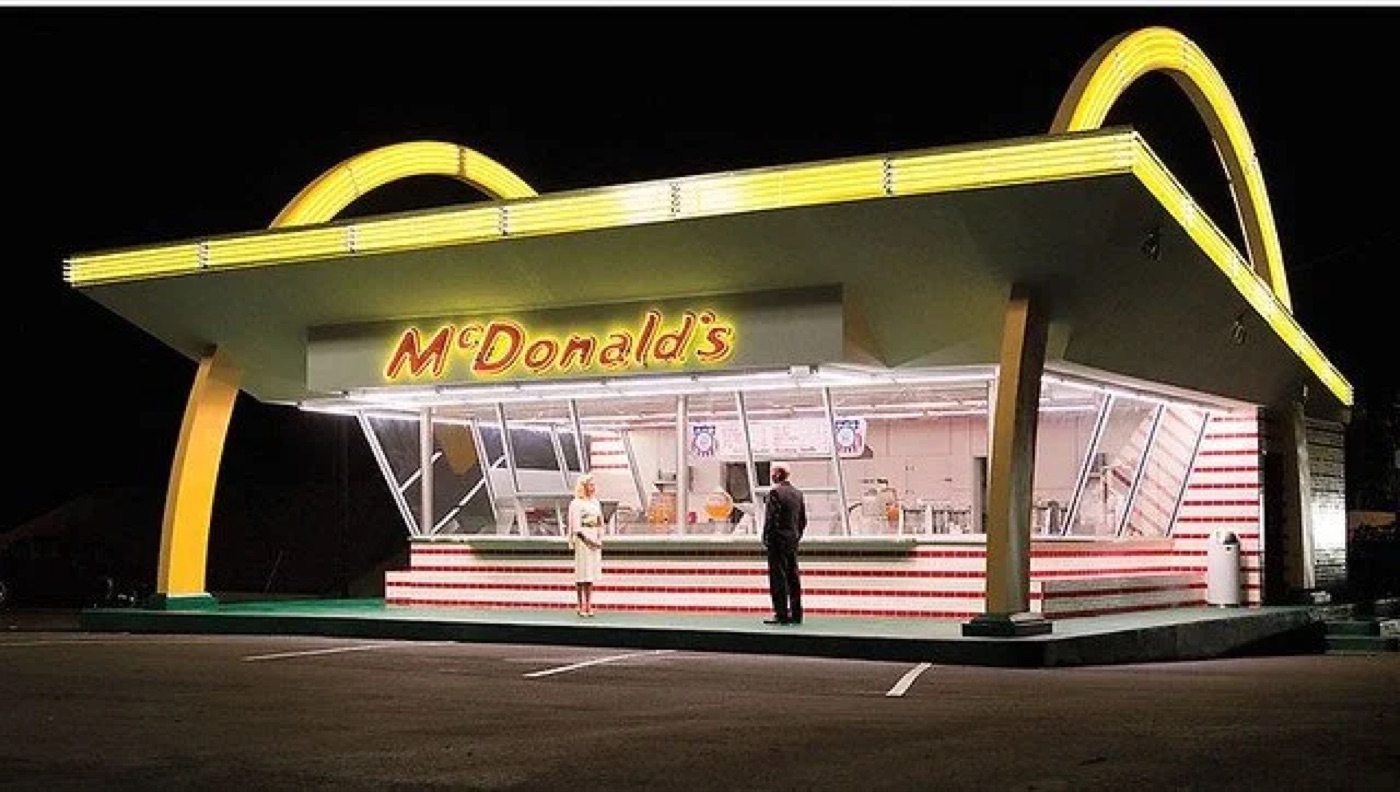
Hard to argue with him in hindsight.
The lesson: Every quick revenue win is a brand decision. Say no to the money that costs you the thing you are building.
Sixty years ahead of the vocabulary
A footnote. Long before Facebook or Amazon, McDonald's built one of the first modern platform businesses, connecting fast food buyers with fast food sellers at scale. It is also one of the most tightly controlled platform businesses in the world. There's a whole separate post in that observation.
The main point stands. Sixty years before every tech executive started talking about data-informed design, user-centred prototyping, platform strategy and customer obsession, three men in San Bernardino were doing all of it with a chalk pitch, a notepad and a burger. The vocabulary is new. The craft is not.
Next time your team argues about whether to add another feature, ask yourself what the McDonald brothers would delete.